

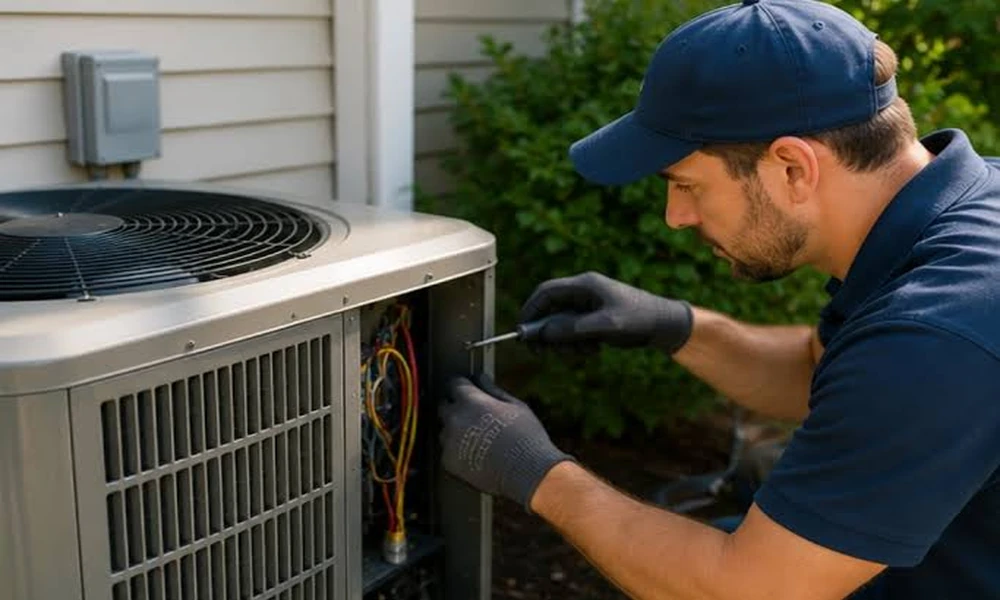
Most home emergencies do not arrive without warning. A slow drip, a rattling unit or a rising bill is usually the first sign that something needs attention.
A single plan covering both heating and cooling and your pipes can catch these signs early. Here is how it works and what to look for.
Why Home Systems Fail Without Regular Care
Your air conditioning, heating, water heater and pipes work quietly in the background. Because they are out of sight, small faults often go unnoticed for months.
Over time, dust, limescale, corrosion and wear build up. A minor issue becomes a major repair, often at the worst moment, such as a heatwave or a cold snap.
What Are Combined Maintenance Plans?
A combined plan bundles scheduled inspections for your heating, cooling and plumbing systems under one agreement. You pay a regular fee, and a qualified team visits at set times to check, clean and adjust each system.
Many homeowners now choose HVAC and plumbing maintenance plans because they simplify upkeep and reduce the number of separate appointments to arrange.
What a Typical Plan Includes
Plans vary between providers, but most cover the following.
HVAC Checks
- Air filter inspection or replacement
- Coil and condensate drain cleaning
- Refrigerant level and electrical checks
- Thermostat calibration
- Airflow and safety control tests
Plumbing Checks
- Inspection of visible pipes, joints and fittings
- Leak detection around sinks, toilets and appliances
- Water heater inspection and flushing
- Drain checks for early signs of blockage
- Water pressure testing
Always ask for a written list of what is included, so you know exactly what you are paying for.
How Maintenance Plans Prevent Costly Repairs
Faults Are Found Early
A technician may spot a worn capacitor, a corroded valve or a small leak long before it causes damage. Replacing a cheap part today is far less costly than repairing a failed compressor or a flooded ceiling later.
Systems Run More Efficiently
Clean filters, coils and well-adjusted components use less energy. A water heater free of sediment also heats more efficiently. Over time, this can help keep your bills down.
Equipment Lasts Longer
Well-maintained appliances often reach or exceed their expected lifespan. Most air conditioning units last around 10 to 15 years, and water heaters often last 8 to 12 years. Regular care helps you get the most from that investment.
Emergencies Become Less Likely
Fewer sudden breakdowns mean fewer out-of-hours call-outs, which are usually more expensive.
Extra Benefits of Combining Both Services
One Provider, One Schedule
Booking separate visits for each system is time-consuming. A combined plan puts everything on one calendar, with one point of contact.
Better Overall Diagnosis
HVAC and plumbing often overlap. A blocked condensate line can cause water damage, and a leaking pipe can raise indoor humidity that strains your cooling system. A team that understands both can spot the link quickly.
Priority Service and Discounts
Many plans offer priority booking and reduced rates on repairs. Check the terms, as benefits differ from one company to another.
A Simple Example
Imagine a small leak behind a utility cupboard and a clogged air filter in the same home. Left alone, the leak damages walls and the dirty filter strains the system. During a routine visit, both are found and fixed in under an hour. Without the plan, the same issues could have led to mould, water damage and an expensive system repair.
How to Choose the Right Plan
- Check that technicians are licensed and insured
- Look for clear pricing with no hidden fees
- Confirm how many visits are included each year
- Ask whether parts and labour discounts apply
- Read reviews and ask about response times
- Make sure the plan suits your home size and system age
Avoid plans that are vague about what they cover.
Is a Maintenance Plan Worth It?
It depends on your home. Older properties, larger households and homes with ageing systems often benefit most. If your systems are new and under warranty, make sure the plan does not duplicate existing cover.
Frequently Asked Questions
How often are inspections carried out?
Most plans include one or two visits a year. Heating and cooling are often checked in spring and autumn, with plumbing checks scheduled alongside.
Do maintenance plans cover repairs?
Usually not in full. Most cover inspections and servicing, with discounts on repairs. Always read the terms.
Can a plan help my warranty?
Many manufacturers require regular servicing to keep warranties valid. Keep your service records safe.
Can I cancel a plan?
Most providers allow cancellation, though notice periods vary. Check the agreement before signing.
Will a plan lower my energy bills?
It can help. Efficient, well-maintained systems tend to use less energy than neglected ones.
Final Words
Prevention is almost always cheaper than repair. Regular checks keep your home running smoothly and spare you from unpleasant surprises.
Compare providers carefully, read the terms and choose cover that fits your needs. A little planning today can save you considerable stress and expense tomorrow.
