


Kitchen countertop installation is one of the most important stages of a kitchen renovation project. New countertops can improve functionality, increase home value, and completely transform the appearance of a kitchen. Whether homeowners choose quartz, granite, marble, butcher block, or laminate surfaces, proper preparation before installation is essential for achieving professional and long-lasting results.
Countertops are usually installed near the end of a kitchen remodel, which means several important steps must happen first. From cabinet installation to plumbing preparation and final measurements, careful planning helps reduce delays, prevent costly mistakes, and ensure the countertops fit correctly.
Finalizing the Kitchen Layout and Design
The layout and design of the kitchen should be determined before the kitchen countertop installation can start. The countertops are made to order according to the kitchen’s specific dimensions, so any changes to the design that take place after the installation will cause issues.
Before taking measurements, homeowners should determine what cabinets will be placed where, where the sink will go, where the appliances will be installed, backsplash ideas, and countertop edge treatments. It’s also the period when you can select the colors, patterns and materials for the countertops, which should be close to the rest of the kitchen design.
One of the most salient things in a kitchen is the countertops so it’s essential that you choose the right one that looks good and serves the need. Matching the counter and cabinets with the flooring and lighting can make for a harmonious and pleasing kitchen style.
Installing Kitchen Cabinets First
Kitchen cabinets need to be all mounted before measuring or installing countertops. The cabinets are the building blocks for the countertop system since the countertops are placed directly on top of them.
The cabinets must be level, stable and permanently in place before the counter top installers can mount them. Fitting problems can be created by cabinets that are not even or stable and can even cause cracks or stress in heavy materials such as granite or quartz.
A professional cabinet installer may take extra care to verify that cabinets are properly aligned and will hold the countertop material when installing. Adjustments made after the countertops have been constructed may cause a failure of the cabinets to fit properly.
Completing Plumbing and Electrical Rough-Ins
Plumbing and Electrical Rough-in are another important phase prior to installing countertops. Rough-ins include the installation of pipes, drains, outlets and wiring in the proper location prior to the installation of any final surfaces.
Sink placement is crucial because countertop manufacturers require precise cuts for sink holes and holes for faucets. Precise openings must also be made in the countertop surface for appliances like cooktops and built-in ranges.
Plumbers and contractors will need to be careful when installing under-mount sinks before or during the installation of the countertop.
Rough-in before installation will prevent alterations after installation that may cause damage to the countertop or cause delays.
Choosing the Right Countertop Material
Another important aspect of preparing is choosing the material of the countertops. The materials vary in terms of durability, maintenance, heat resistance and appearance.
One of the most favored quartz countertops is the one that is durable and easy to maintain. Granite is more natural in appearance and heat resistance, and marble will give a luxurious look but will need additional care.
Many homeowners will choose laminate countertops because they’re affordable, but butcher block would give them a warm, natural wood look.
Selection of material influences installation techniques and requirements, support needs, seam location and production time. Granite or quartz countertops may necessitate extra cabinet reinforcement. Read this for reference.
Templating and Accurate Measurements
After cabinets and rough-in work have been done, professional countertop installers will typically set up a templating appointment. Templating involves taking exact measurements and developing a pattern for the fabrication of countertops.
This is very important since countertops are custom-built for the kitchen. This includes the dimensions of countertops, sink openings, appliance cutouts, edges and backsplashes.
Many installers are adopting the technique of laser measuring to ensure a greater level of precision and minimising errors. Accurate measurements make sure the countertops fit afterward of fabrication.
Once the template is complete, homeowners should refrain from making any changes to the layout as this can impact the final fit.
Preparing the Kitchen for Installation Day
Prior to the installation day, homeowners should choose an area in the kitchen to prepare for safe workability and efficiency of the installers.
Many countertop materials are large and heavy, making it easier to transport the sections to the home if countertop surfaces can be cleared of obstacles and pathways are made easier.
Typically, homeowners are recommended to take dishes, decorations, small appliances and glassware from the vicinity of the house. Dust protection may also be required due to the possibility of dust being created during installation, such as cutting or fitting.
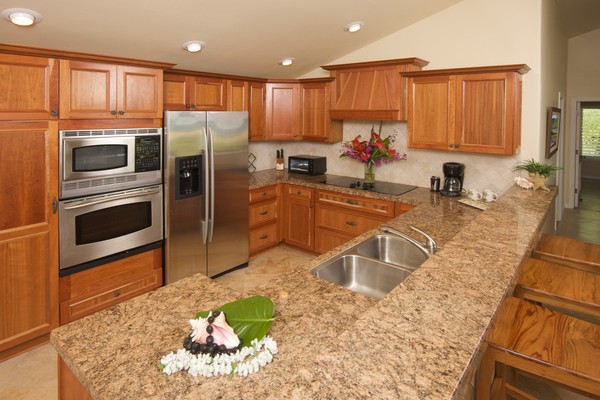
Precautions in preparation minimize delays and facilitate installation.
Confirming Appliance and Sink Specifications
All appliance and sink requirements need to be verified prior to the fabrication of countertops. The size of countertop openings should be the same size as the sink, cooktops, faucets, and other built-in features.
Depending on the type of sink, there are different installation methods and cutout styles.There are various methods and cutout styles for farmhouse sinks, under-mount sinks and drop-in sinks. Fabricators can avoid size oversizing by providing correct manufacturer’s specs.
By thoroughly examining the dimensions of the appliance before making the fabrications, expensive changes can be avoided. Visit https://www.thespruce.com/basic-kitchen-sink-types-1821207 to see more.
Conclusion
Successful kitchen countertop installation requires careful planning and preparation long before the countertops arrive. Finalizing the kitchen design, installing cabinets, completing plumbing and electrical rough-ins, selecting countertop materials, and preparing the kitchen area are all essential steps in the process.
By completing these preparations properly, homeowners can help ensure smooth countertop installation and achieve attractive, functional, and long-lasting results that improve both the beauty and value of the kitchen.
