

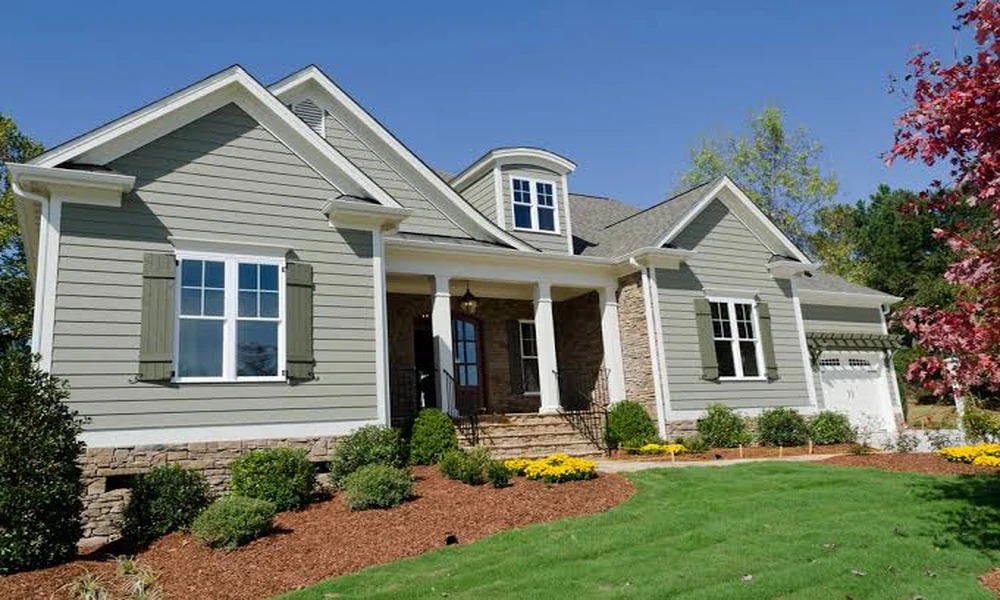
A single 12 and a half foot vinyl siding panel can grow half an inch or more between a January dawn and a July afternoon. Fiber cement on the wall next door barely moves at all. That one physical difference explains most of what separates these two materials, and along the east side of the Salt Lake Valley, where winters bite and summer sun lands hard at altitude, it shapes almost every decision that follows.
Homeowners comparing Sandy siting services tend to arrive with a brand name in mind and leave with a better question, which is how a given wall will behave over thirty Utah winters. The licensed crew behind dedicationroofing.com, based in West Valley City and family owned since 2017, handles siding replacement along with soffit and fascia work for homes across the valley, and that kind of exterior experience is useful precisely because the choice is less about the product and more about the house it goes on.
So rather than ranking the two materials in the abstract, it helps to walk through the specific stresses a foothill home faces and see how each one holds up.
One Material Moves and the Other Stays Put
Vinyl is a plastic, and plastics expand in heat and shrink in cold. It works perfectly well as cladding as long as the installer lets it float. Panels hang loosely on their nails rather than being pinned tight, so they can slide sideways as temperatures swing. When that freedom is missing, the wall shows it with waves, buckles, and gaps at the trim.
The installation guidance published by the Polymeric Exterior Products Association, the group formerly known as the Vinyl Siding Institute, spells out the details that keep vinyl flat.
- Nails go in the center of each slot, never at the ends.
- A gap about the thickness of a dime stays between the nail head and the panel.
- Panels leave at least a quarter inch of room at trim and openings, increased to three eighths of an inch when the work happens below 40 degrees.
- Face nailing through the panel is off limits except at the very top of a gable.
Fiber cement plays by different rules. It is fastened firmly, its butt joints need flashing or careful sealing, and it stays dimensionally steady. On a Sandy home that might see a 90 degree swing across the year, that stability is a real point in its favor, though a well installed vinyl wall handles the same range without complaint.
High Altitude Sun Is Hard on Color
At around 4,500 feet and higher on the benches, ultraviolet exposure runs stronger than at sea level. Vinyl colors are molded through the material, so scratches don’t reveal a different shade underneath, but darker vinyl can fade unevenly on south and west walls. Dark panels also absorb more heat, which magnifies expansion. Newer formulations rated for darker colors handle this better than older stock did.
Low emissivity windows add a strange twist. Their coatings can reflect concentrated sunlight onto a neighbor’s vinyl, or your own on an inside corner, hot enough to warp panels. If you’ve ever seen a melted streak running across a wall, that’s usually the cause.
Fiber cement doesn’t warp under heat, but its paint does age. Factory applied finishes typically carry warranties around 15 years, and site painted boards may need fresh paint sooner on sun facing walls.
Hail Finds the Weaker Wall
Spring and summer storms along the Wasatch Front can drop hail with little notice. Cold makes vinyl more brittle, so a stone that would bounce off in July can crack a panel in a chilly April storm. Thicker premium vinyl and insulated vinyl, which has foam backing, resist impact noticeably better than builder grade panels.
Fiber cement is far tougher against hail. Large stones may chip a corner or mark the paint, but punctures are rare. For homes that have already filed one hail claim on their siding, this alone often settles the debate.
Snow Piles and Sprinkler Spray at the Base
The bottom few courses of siding live a hard life. Snow shoveled off the driveway lands against them, drifts sit there for weeks, and sprinklers soak them all summer.
Vinyl isn’t harmed by water itself, but it isn’t watertight either. Rain and meltwater get behind it by design and drain out through weep holes. That means the house wrap and flashing underneath do the actual waterproofing, and if those are torn or poorly lapped, sheathing can rot unseen behind a perfectly good looking wall.
Fiber cement absorbs a little moisture at cut edges, which is why manufacturers call for keeping boards several inches above soil and a gap above roof surfaces, along with primed or sealed cut ends. Boards jammed down into mulch or against a deck surface tend to swell and flake over time.
Embers From the Foothills
Homes near the canyon mouths and open slopes sit closer to wildland than most of the valley. In a fire, wind carried embers do much of the damage, landing in crevices and against walls.
Fiber cement is noncombustible, which makes it a favored choice in wildfire zones. Vinyl won’t usually sustain a flame on its own, but it softens and melts at fairly low temperatures, exposing whatever lies behind it. For a house backing onto open hillside, that difference deserves real weight.
Weight and Dust on Installation Day
The two materials feel completely different to install. Vinyl is light, cuts with snips or a scoring knife, and goes up quickly, which keeps labor costs down. Fiber cement weighs several times as much, often needs two people per board, and produces silica dust when cut. Responsible crews use shears or dust collecting saws and keep cutting stations away from open windows.
That extra labor shows up in the estimate. Fiber cement commonly lands well above vinyl in installed cost, sometimes approaching double depending on the trim package and wall complexity.
The Long View on Upkeep
Vinyl asks for very little. A gentle wash once a year and the occasional replacement panel usually cover it, and many walls last two or three decades before looking tired. Matching color on a single replaced panel gets harder as the original fades, so keeping a few spare pieces from the job is smart.
Fiber cement can last longer, often 30 to 50 years, but it brings repainting and caulk maintenance on a regular cycle. Over a long ownership horizon, those paint jobs narrow the gap in total cost between the two.
Matching the Material to the Wall
Plenty of homes don’t need to pick only one. A common approach is fiber cement on the hardest working faces, the sunny south wall, the side toward open hillside, or a front elevation where looks matter most, with vinyl on sheltered sides to keep the budget reasonable. HOA rules in some neighborhoods may also steer the decision.
What matters most is that whoever installs it respects how the chosen material behaves. Vinyl that’s allowed to move and fiber cement that’s kept off the ground and properly sealed will both serve a foothill home well. The failures people complain about almost always trace back to a wall that was asked to act like something it isn’t.
