

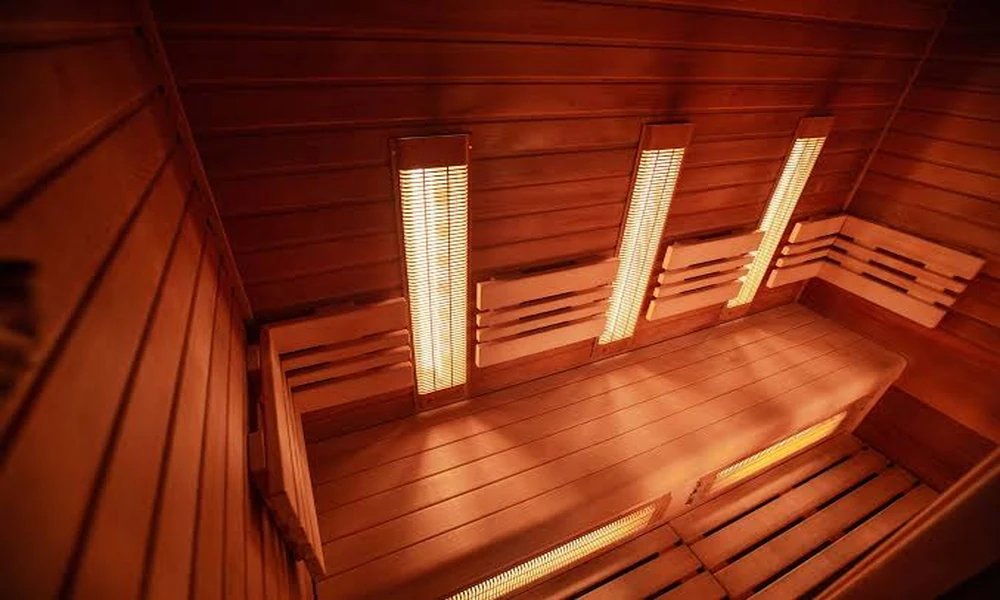
A home sauna earns value through repeatable use. Full-spectrum infrared heating brings radiant warmth closer to skin. Temperature control, panel placement, ventilation, and cabin materials shape sessions. Understanding infrared sauna components helps homeowners choose equipment wisely.
What Makes Full-Spectrum Heating Worth Choosing?
Full-spectrum systems combine near, mid, and far infrared wavelengths. Each range creates a distinct heating experience. Near infrared offers gentler surface warmth during shorter sessions. Mid infrared delivers a stronger sense of radiant heat. Far infrared creates broad, steady warmth across cabin seating.
Panel Placement Shapes Everyday Comfort
Panel position affects how evenly warmth reaches seated users. Front, rear, and side panels create varied coverage. A well-planned layout reduces noticeable temperature differences across seating areas. For example, rear panels can warm the back evenly. Side panels can balance warmth around shoulders and legs.
Which Features Deserve Attention Before Purchase?
When evaluating infrared sauna components, consider their combined effect first. Heating panels need suitable placement and dependable temperature controls. Ventilation also matters during longer personal sessions at home. Buyers should examine construction details before choosing.
- Before installation, check electrical requirements carefully.
- Doorway clearance deserves measurement before delivery arrives.
- Warranty terms should cover heating panels clearly.
- Precise controls make temperature changes easier.
How Can Sessions Become Easier To Maintain?
Convenience begins before the heater switches on. Towels, water, and clean seating reduce unnecessary interruptions. Shorter sessions can help new users gauge comfort. Moderate settings may suit evening relaxation. Post-workout use can provide a calming recovery period.
Maintenance Keeps Heating Performance More Predictable
Simple care protects comfort and equipment performance. Wiping seating removes moisture before residue accumulates. Clear ventilation openings allow air movement through cabin spaces. Dust around controls deserves prompt attention. Temperature changes can signal equipment requiring professional inspection.
- Wipe wooden surfaces after damp sessions.
- Keep cabin vents clear from towels.
- Inspect controls when temperatures change unexpectedly.
- Follow manufacturer guidance for electrical maintenance.
FAQs About Full-Spectrum Infrared Sauna Use
How long should a personal sauna session last?
Session length depends on comfort, heat settings, and prior experience. Starting with shorter periods allows gradual adjustment without chasing extreme temperatures.
Does full-spectrum heating require maximum temperature settings?
Higher heat is not necessary for every session. Comfortable radiant warmth can make regular sauna use more practical.
Can full-spectrum infrared heating suit smaller home saunas?
Yes, compact cabins can use full-spectrum systems with suitable panel placement. Correct electrical capacity and ventilation remain important for comfortable operation.
A Better Sauna Experience Starts With Balance
Full-spectrum heating works best when equipment and habits complement each other. Even panel coverage can matter more than maximum output. Precise controls, ventilation, and simple upkeep reinforce that advantage. A well-positioned rear panel can matter more than excessive heat. That detail shapes daily comfort at home.
