




Homes in Phoenix face a high risk of termite infestations. This is because of the warm weather and abundant landscaping in the city.
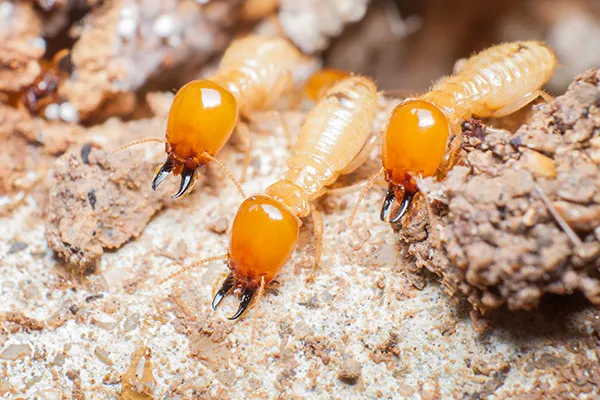
Subterranean termites are especially common in the Valley. They build underground colonies and create tunnels to reach wooden structures. These termites may travel through irrigation systems, foundation cracks, and soil near homes to find moisture.
Drywood termites can also be found in Phoenix. These termites live entirely within wood and can remain undetected until they cause significant damage. To ensure effective termite control in Phoenix, experts identify the species that impacts a property. Below are the common treatments professionals use when handling termites:
Liquid Termite Treatments
Liquid termiticides create a barrier between the soil and the home. This prevents termites from entering or forces them to leave established areas. These treatments are applied around foundations, in crawl spaces, and near water sources. Liquid treatments must be applied properly to be effective. Also, soil must remain undisturbed to maintain the barrier. Green Mango Pest Control technicians must account for irrigation, landscaping, and structural features that could compromise coverage.
Bait Systems
Bait stations contain cellulose material treated with slow-acting insecticides. Termites feed on the bait and carry it back to the colony. This will gradually reduce the population. Bait systems are ideal for properties with established subterranean termite activity. They allow technicians to monitor colonies and adjust treatment as needed.
Wood Treatment and Direct Application
Drywood termites may require direct treatment of affected wood. Spot treatments use liquid termiticides or heat to eliminate colonies within structures. These treatments are applied with precision to reach hidden areas. Wood treatment is particularly useful for smaller infestations or properties. It targets the problem directly and reduces disruption to the surrounding environment.
Integrated Approaches
Properties that experience subterranean and drywood termite activity may require liquid barriers and targeted wood treatment. Integrating bait systems alongside liquid treatments can also increase overall effectiveness. An integrated approach allows technicians to address immediate infestations and maintain long-term protection. It considers the unique layout, landscaping, irrigation practices, and construction materials of each home.
Timing and Seasonal Considerations
Spring and early summer may bring swarming events when reproductive termites leave colonies to establish new ones. Homeowners who schedule inspections and treatments before this period can reduce the risk of swarms inside structures.
Irrigation schedules also influence termite movement. Water from sprinklers or hose systems provides moisture that subterranean termites seek. Professionals account for these patterns to place barriers and bait stations in areas most likely to intercept termites before they reach wood.
Professional Inspection and Risk Assessment
Technicians identify species and locate potential entry points when inspecting property. They also assess environmental conditions that support termite activity. They consider risk factors, such as soil type, foundation design, moisture sources, and landscaping. Termite activity may be high in homes with dense vegetation near foundations, poor drainage, or buried wood debris. Technicians will identify these risks allows to recommend treatments that match the property’s specific conditions.
Safety and Environmental Considerations
Termite treatments involve chemicals that must be handled carefully. They are chosen based on toxicity and application method. Also, their potential impact on pets, children, and landscaping is considered. Technicians provide guidance on precautions during and after application.
Maintenance and Monitoring
Subterranean colonies can survive underground for years, and new colonies may form nearby. Routine inspections and monitoring ensure treatments remain effective and detect any emerging activity early.
Monitoring also allows adjustments to bait stations or liquid barriers based on seasonal changes, irrigation patterns, and landscaping modifications. A proactive approach reduces the risk of severe damage and keeps homes protected for a long time.