

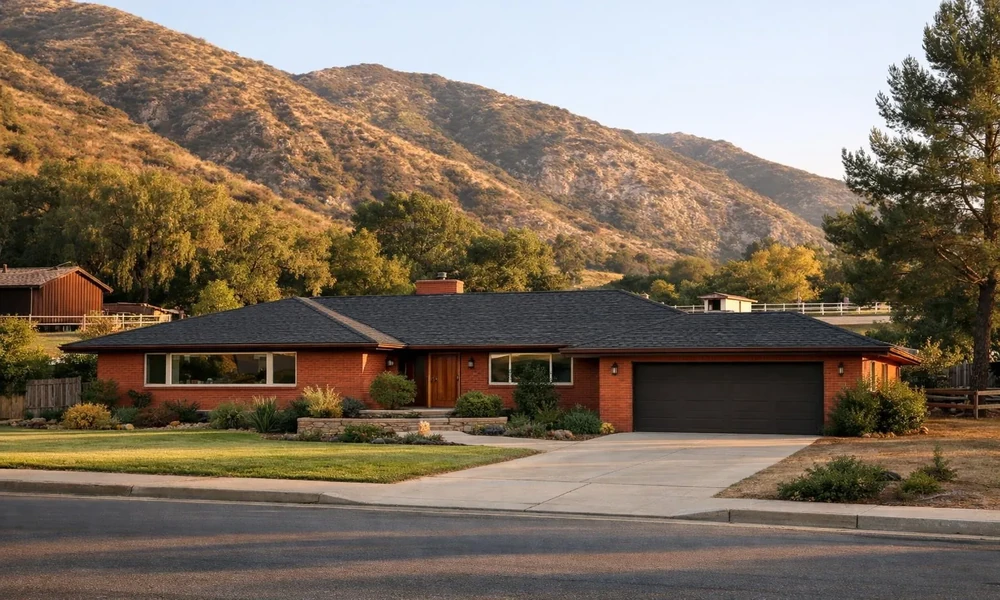
Some places are hard on roofs. Long stretches of triple digit heat, dry wind events that blow for days and brush covered hillsides close by all add up. A roof that would last 30 years in a mild coastal town may wear out much sooner at the base of a mountain range. When it is time to replace one, these local forces should shape almost every decision, from the shingle or tile you pick down to the screens on your attic vents.
Homeowners planning a roof replacement in Rancho Cucamonga face exactly this mix. The city stretches from the valley floor up toward the San Gabriel foothills, so a house near Foothill Boulevard and one tucked into the northern neighborhoods can face very different conditions. Both deal with intense sun. The homes higher up also sit closer to wildland brush and take the full force of seasonal wind.
The good news is that a replacement is the best chance you will ever get to fix the weak points of your current roof. The deck is exposed, the old layers are gone, and every vent and edge can be rebuilt. Here is how to use that moment well.
Start With What the Old Roof Is Telling You
Before choosing materials, look at how the current roof failed. Shingles that lost granules mostly on the south and west slopes point to sun damage. Tiles or shingles that lifted along ridges and edges suggest wind. Stains at valleys or around chimneys often trace back to tired flashing rather than the roof covering itself.
A good inspection also includes the attic. Darkened or delaminating plywood, rusty nail tips and a stale, overheated smell all hint at poor ventilation. If you replace the roof without fixing airflow, the new one will age faster for the same reason the old one did.
Fire Rating Is the First Filter
Wildfire risk shapes roofing choices across much of the region. The single most important feature here is a Class A fire rating, the highest rating a roof covering can earn in standardized fire testing. Most modern asphalt shingles, clay tile, concrete tile and metal roofing meet it. Wood shakes generally do not, and any home still wearing one should treat replacement as a safety upgrade, not just a cosmetic one.
Flames are not usually what reaches a house first, though. Research from the Insurance Institute for Business and Home Safety identifies wind blown embers as the leading reason homes catch fire during wildfires. Embers land in gutters full of dry leaves, slip into gaps under tile ends and get sucked into open vents. That is why a fire rated roof is only part of the answer.
When the new roof goes on, ask about a few details that are easy to overlook. Tile roofs need bird stops or eave closures so embers and debris cannot collect in the open ends. Attic and gable vents should use fine metal mesh or ember resistant designs. Metal drip edge and noncombustible gutters protect the roof edge, which is one of the most exposed points when fire is nearby.
Choosing a Covering for Heat
Sun is the slow, steady enemy. Asphalt shingles soften and shed granules under constant UV. Underlayment beneath tile dries out and cracks. Dark roofs push attic temperatures far higher than light ones, which strains both the roof and your air conditioner.
Reflective roofing helps on all fronts. Data compiled by the U.S. Environmental Protection Agency shows that cool roofs can reduce peak cooling demand in air conditioned buildings by roughly 11 to 27 percent. California’s energy code also includes cool roof requirements for many reroofing projects in hotter climate zones, so the product you choose may need to meet specific reflectance values anyway.
Here is how the common options tend to perform in this kind of climate:
Asphalt shingles are the most affordable choice and now come in “cool” versions with reflective granules. They install quickly and suit most ranch and tract homes, though they usually have the shortest lifespan of the three.
Concrete and clay tile handle heat and fire very well and fit the Spanish and Mediterranean styles common across the Inland Empire. They are heavy, so older homes switching from shingles may need a structural review first.
Metal roofing reflects heat well, sheds embers and lasts a long time. It costs more upfront and is less common in neighborhoods with strict design rules.
Wind Changes How the Roof Is Fastened
Seasonal Santa Ana winds can top 50 or 60 miles per hour along the foothills. A roof that looks perfect can still peel back if it was nailed poorly. Shingle manufacturers publish high wind fastening patterns that use more nails per shingle, and following them often matters for warranty coverage too.
Tile needs the same attention. Modern installs use specific nailing, clips or foam adhesive, especially at hips, ridges and edges. Ask how the crew plans to secure the perimeter, since that is where wind uplift is strongest.
The Parts You Will Never See Again
Once the covering is on, a few layers disappear for decades. These deserve a close look before the job starts.
Underlayment matters more here than in milder places. Synthetic underlayments and heavier modified sheets hold up far better to attic heat than old felt paper. Flashing around chimneys, walls and skylights should be new metal, not bent and reused pieces. Ventilation should balance intake at the eaves with exhaust at or near the ridge, so hot air has a clear path out.
Permits are part of this too. Reroofing usually requires a city permit and inspection. That step protects you, because an inspector checks the work at stages you could never verify on your own.
A Roof Built for the Place It Sits
The best roof for a foothill home is not just the one with the longest warranty or the nicest color. It is the one designed around sun, wind and embers together. A fire rated covering, reflective surface, solid fastening, ember resistant vents and sound underlayment work as a system. Get those pieces right during replacement, and the roof will spend the next few decades protecting the house instead of quietly losing ground to the climate around it.
