

Most leaks do not announce themselves with a burst pipe and a flooded hallway. They start as a faint drip, a damp cabinet floor, or a water bill that creeps up a little each month. By the time the damage is obvious, the repair is usually bigger and costlier than it needed to be. If you suspect trouble and want trusted leak repair in Leander, the smartest first step is to figure out where the water is going, and that is something you can start doing yourself this weekend with a flashlight, a few drops of food coloring, and a little patience. The guide below walks you through your home one room at a time, so you can play detective before you ever pick up the phone. Whenever your search turns up something stubborn, the family-owned team at Plumb Intended is ready to take over.
Why a Small Leak Deserves Your Attention
Leaks feel harmless because they are slow. The numbers say otherwise. The U.S. Environmental Protection Agency reports that the average household loses more than 9,300 gallons of water every year to leaks, and that fixing easy household leaks can trim roughly 10 percent from a water bill. You can read the full set of tips in the EPA’s Fix a Leak Week guide, which the checks below draw from.
Water that escapes inside a wall or under a floor also feeds mold, softens wood, and stains ceilings. Finding a leak early protects both your wallet and your home.
Stop One: The Water Meter
Start outside, because the meter tells you whether a leak exists at all.
- Turn off every faucet and appliance that uses water. Pause the dishwasher, the washing machine, and the ice maker.
- Write down the meter reading, or take a photo of it.
- Wait two hours without using any water.
- Check the meter again.
The EPA says that if the number has changed at all, you probably have a leak. Many meters also have a small triangle or dial that spins when water is flowing. If it moves while everything is off, you have your answer before you have even stepped inside.
Stop Two: The Bathrooms
Bathrooms hold the most common leak suspects, so plan to spend the most time here.
The toilet. Silent toilet leaks are famous for wasting water without any sound. Place a few drops of food coloring in the tank, wait 10 minutes without flushing, and look in the bowl. Color means the flapper is letting water slip through. The EPA advises replacing flappers at least every five years, and it is a quick and inexpensive fix. Flush right after the test so the dye does not stain the tank.
The faucet. A drip every second may seem small, but the EPA notes it can waste more than 3,000 gallons per year. Worn washers and gaskets are usually to blame.
The shower. A showerhead dripping 10 times a minute can waste more than 500 gallons per year. Try tightening the connection and adding plumber’s tape. If the valve drips when the shower is off, that is a job for a licensed plumber.
The cabinet underneath. Open the vanity doors and run your hand along the supply lines and drain. Look for dampness, rust on fittings, or a musty smell.
Stop Three: The Kitchen
The sink cabinet is the kitchen’s weak spot. Check the supply hoses, the drain trap, and the dishwasher connection. If you have a refrigerator with an ice maker or water dispenser, slide it out gently and look at the small supply line behind it. These thin lines can crack with age and leak slowly for months without anyone noticing.
Also look at the cabinet floor. Warped, swollen, or discolored wood is a sign that moisture has been sitting there a while.
Stop Four: The Laundry Area
Washing machine hoses live under constant pressure. Inspect both the hot and cold connections for bulges, cracks, or white mineral crust around the fittings. Rubber hoses should be replaced every few years, and braided stainless steel versions are a worthwhile upgrade. Do not forget the drain standpipe and the floor around the machine.
Stop Five: The Water Heater
Walk over to your water heater and check the base for pooling water or rust streaks. Look at the pipes above it and the pressure relief valve discharge line. A tank that leaks from the bottom has usually failed internally and will need replacement rather than repair. Catching it early lets you plan the swap on your schedule instead of in the middle of a flood.
Stop Six: Walls, Ceilings, and Floors
Leaks that hide behind surfaces leave clues. Walk through your home slowly and watch for:
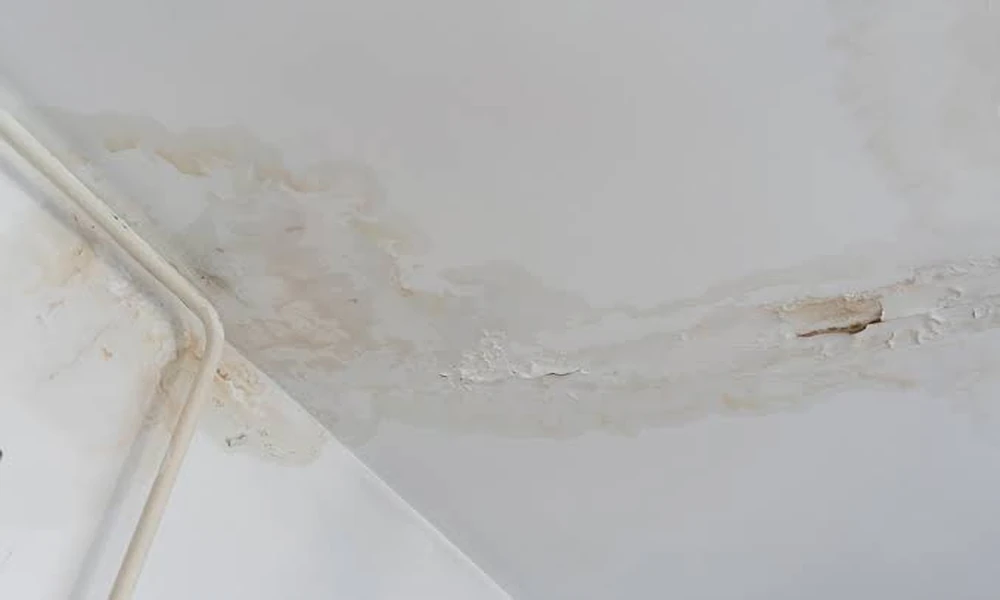
- Brown or yellow stains on ceilings
- Paint that bubbles, peels, or feels soft
- Warm spots on the floor, which can point to a hot water line under a concrete slab
- Musty smells in a room that otherwise looks fine
- The faint sound of running water when everything is turned off
Many homes in this region are built on concrete slabs, which means the pipes can be difficult to reach. When you notice warm floors, a sudden jump in your bill, or the sound of water with no visible source, it is time to call a professional rather than guess.
Stop Seven: The Yard
Finish your tour outdoors. Check hose bibs and the hose connection at the spigot, since a worn washer is an easy culprit. If you have an in-ground sprinkler system, look for soggy patches, geysers, or sprinkler heads that are cracked. The EPA points out that an irrigation leak only about the thickness of a dime can waste around 6,300 gallons of water per month. An unusually green or muddy strip of lawn between the house and the street can also signal a problem with the line underground.
What to Do When You Find Something
Some fixes are very friendly to beginners, like swapping a toilet flapper or tightening a showerhead. Others need more skill and the right equipment. Bring in a plumber when:
- The leak is inside a wall, ceiling, or slab
- Your meter keeps moving after you have fixed every visible leak
- You see signs of mold or water damage
- Water pressure seems unusually high, which can strain pipes and fittings over time
A professional can use tools like HD video pipe inspections and pressure testing to pinpoint a hidden leak without tearing apart your walls, and a pressure reducing valve can help protect your plumbing if your pressure runs high.
Make This Checkup a Habit
Set a reminder to repeat the water meter test and the toilet dye test once or twice a year. It takes about half an hour and can save you hundreds of dollars and a lot of stress. If you uncover a leak you cannot track down or fix, call Plumb Intended at (512) 630-9968 for a free estimate. The Georgetown-based team serves Leander and the surrounding Central Texas communities, and they will stop the drip before it turns into a disaster.
