

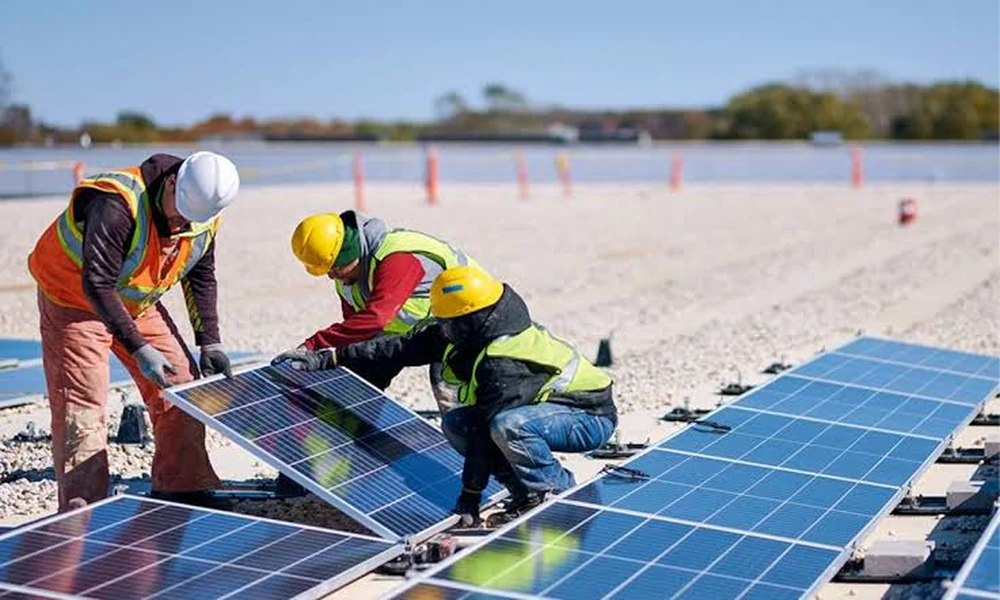
Homeowners considering solar panels often treat the decision as purely an electrical and financial one, focused on panel efficiency and payback period, while overlooking how much the condition and remaining lifespan of the roof itself affects the practicality of installation. Mounting panels on a roof nearing the end of its working life often means removing and reinstalling them within a few years, adding unnecessary cost. Working through install solar panel singapore alongside a roof condition assessment gives a more complete picture before committing.
Assessing Roof Condition Before Installation
A roof with existing damage, ageing materials, or a shortened remaining lifespan is a poor candidate for solar panel installation without repair or replacement first, since removing panels to address a roof issue later adds considerable and avoidable cost. Getting a roof condition assessment before finalising a solar installation plan is a sensible first step for any homeowner considering the investment. This assessment is particularly important for a roof older than fifteen years, where remaining lifespan is harder to judge from a casual visual check alone.
Understanding Panel Orientation and Shading
Panel efficiency depends heavily on roof orientation, pitch angle, and shading from nearby structures or trees, and a site assessment should model expected energy output for the specific roof rather than relying on generic figures. A roof facing an unfavourable direction may still be viable with adjusted mounting, though this affects both cost and expected output. Seasonal shading from a neighbouring building’s growth or construction should also be factored into a long-term output estimate.
Structural Load Considerations
Solar panels and their mounting systems add weight to a roof structure, and confirming the roof can safely bear this additional load is an important step before installation, particularly on an older property or one with an unconventional roof design. A structural assessment from a qualified professional avoids a costly surprise partway through the installation process. This step is easy to skip when a quote focuses purely on panel cost, but the consequences of skipping it can be severe.
Coordinating Roof Work With Solar Installation
Since roof condition and solar installation are closely connected, it is worth reviewing roof contractors at the same time as researching solar installers, particularly if roof work is needed before panels can be safely mounted. Coordinating both projects with contractors who communicate well with each other reduces the risk of conflicting recommendations.
Calculating Realistic Payback Periods
Solar panel payback periods depend on installation cost, expected energy generation, and current electricity tariffs, and a realistic estimate should account for gradual efficiency decline over the system’s lifespan rather than assuming peak output indefinitely. Requesting a detailed calculation specific to the property, rather than a generic industry average, gives a more accurate expectation. Comparing this estimate against a few years of actual electricity bills gives a useful sanity check on the numbers presented.
Regulatory Approval and Grid Connection
Installing solar panels in Singapore typically involves regulatory approval and coordination with the grid operator for connection, and a reputable installer should manage this process as part of the overall project rather than leaving the homeowner to navigate it independently. Confirming this responsibility clearly before signing an agreement avoids confusion partway through the project. An installer unfamiliar with current approval procedures can cause delays that push the project’s completion well past the original estimate.
Choosing Between Panel Types and Brands
Panel efficiency, warranty length, and price vary considerably between manufacturers, and a more expensive panel is not automatically the better choice unless the efficiency gain and warranty terms genuinely justify the additional cost for the specific property. Comparing options on a like-for-like basis, rather than price alone, produces a more informed decision. A mid-range panel from a well-established manufacturer often represents better long-term value than the cheapest or most premium option available.
Maintenance Requirements for Solar Systems
Solar panels require periodic cleaning and occasional inspection of wiring and mounting hardware to maintain expected performance, and neglecting this maintenance can gradually reduce energy output without an obvious cause. Discussing maintenance expectations with an installer at the point of purchase sets a more realistic picture of ongoing responsibilities.
Sequencing Roof Repair Before Solar Work
A homeowner noticing signs of roof wear, such as those covered in roof contractors, should address these issues before proceeding with a solar installation, since panels mounted over an undiagnosed problem can mask it until damage becomes considerably more serious. Sequencing roof repair before solar installation, rather than after, is the more sensible order for most properties.
Planning the Full Project With Confidence
Installing solar panels properly means looking beyond panel specifications and payback calculations to include roof condition, structural capacity, and regulatory requirements as part of the same decision. Coordinating roof assessment and solar installation together, rather than treating them as entirely separate projects, produces a more durable and cost-effective result overall. A well-planned installation, approached this way, delivers the expected savings without an unwelcome interruption a few years down the line.
